Leadership Through Empathy: Balancing Outcomes, Funding and Community Needs
In today’s rapidly changing social and policy landscape, leaders in community organisations face a complex challenge: how to balance empathy with practical decision-making. Organisations must remain financially sustainable while ensuring that their work genuinely serves the communities they represent.
This balancing act becomes particularly important when working with multicultural and culturally diverse communities, where policies, programmes and funding structures often struggle to reflect the true complexity of people’s lived experiences.
At the heart of effective leadership in this space is a simple but powerful principle: community needs must guide decisions not bureaucracy or funding structures alone.
Leading with Empathy in Complex Systems
Many leadership frameworks emphasise strategic thinking, financial management and operational efficiency. However, in community-focused organisations, empathy is just as essential as logic.
Empathetic leadership means:
- Listening deeply to communities
- Understanding lived experiences
- Recognising cultural differences
- Making decisions that prioritise meaningful outcomes
Empathy does not mean abandoning rational thinking. Instead, it means integrating compassion with evidence-based decision-making.
Leaders often need to make difficult choices about funding, priorities and programme direction. When these decisions are grounded in genuine consultation with communities, they become more ethical, effective and sustainable.
The Challenge of Grant Funding and Real Outcomes
Many organisations depend on government or institutional grants to deliver services. While funding is essential, it can sometimes create tension between meeting reporting requirements and achieving real change.
A common dilemma arises when organisations feel pressured to simply “tick boxes” to satisfy funding criteria.
But strong leadership challenges this approach.
Rather than focusing on whether a grant might be lost, effective organisations ask deeper questions:
- Is this programme truly serving community needs?
- Are the outcomes meaningful or purely administrative?
- Can the grant framework be adapted to better reflect reality?
Encouragingly, many funding bodies are increasingly open to outcome-driven conversations rather than rigid compliance. When organisations communicate honestly about what communities actually need, funding frameworks can evolve to support genuine impact.
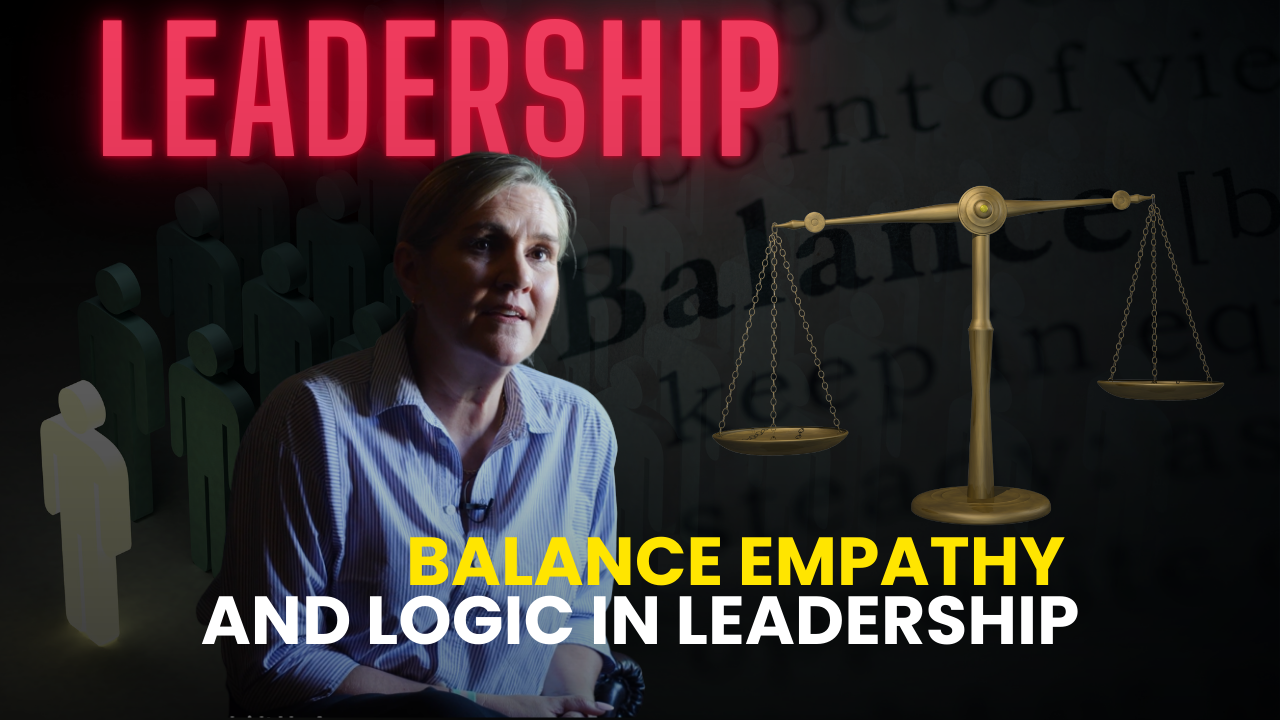
Watch the complete Podcast on YouTube.
Moving Beyond “Tick-Box” Diversity
Another major challenge in public policy is how multicultural communities are defined and represented.
For decades, terms such as:
- NESB (Non-English Speaking Background)
- Multicultural
- Ethnic communities
- CALD (Culturally and Linguistically Diverse)
have been used to categorise communities.
However, these broad labels often oversimplify incredibly diverse populations.
For example, grouping together people from:
- Eastern Europe
- South America
- Africa
- South Asia
- Southeast Asia
under a single category ignores the vast differences in language, culture, migration history and social experience.
Public policy struggles when heterogeneous communities are treated as a homogeneous group.
This is why ongoing discussions about new terminology including emerging concepts such as CALM (Culturally and Racially Marginalised) are important. These conversations aim to better reflect structural inequality and lived experiences rather than relying solely on language or ethnicity as defining markers.
However, terminology alone is not enough.
What truly matters is how communities are consulted and represented in decision-making processes.
Why Community Consultation Must Come First
Authentic consultation is the cornerstone of effective community leadership.
When organisations genuinely engage with communities:
- programmes become more relevant
- policies reflect real needs
- funding is used more effectively
- trust is strengthened
Consultation ensures that organisations are not speaking for communities but rather working alongside them.
It also prevents tokenistic practices where communities are referenced but not meaningfully included in planning or implementation.
If organisations truly understand the people they serve, they will naturally develop stronger proposals, more impactful programmes and more sustainable partnerships.
The Future of Community Leadership
As societies grow more diverse and interconnected, leadership models must evolve.
Future leaders will need to:
- balance empathy with strategy
- prioritise outcomes over administrative compliance
- recognise cultural complexity
- work collaboratively with communities and policymakers
Ultimately, leadership in the community sector is not about maintaining systems as they are it is about shaping systems so they serve people better.
Join Us at Our Upcoming Events
Join Us at the National Child & Family Safety Leadership Summit 2026 will bring together leaders, practitioners, policymakers, researchers and community voices from across the country. This important gathering creates space for meaningful dialogue on the most pressing issues impacting children and families including domestic violence, coercive control, child protection, and community wellbeing.
We look forward to welcoming you to this moving and inspiring celebration of women’s achievements and contributions. Don’t miss this opportunity to hear from one of WA’s most influential scientific leaders, Miquela Riley.