
Youth Justice in Queensland: Why Children Need Support, Not Adult Punishment
Debates about youth crime have intensified in Queensland in recent years, particularly around the controversial slogan “adult crime, adult time.” While the phrase may appeal to public frustration about crime, experts in psychology, youth justice, and child development are increasingly raising serious concerns about the long-term consequences of treating children as adult offenders.
When we look beyond the headlines and political messaging, a deeper and more complex question emerges: what actually helps young people change their behaviour and build better futures?
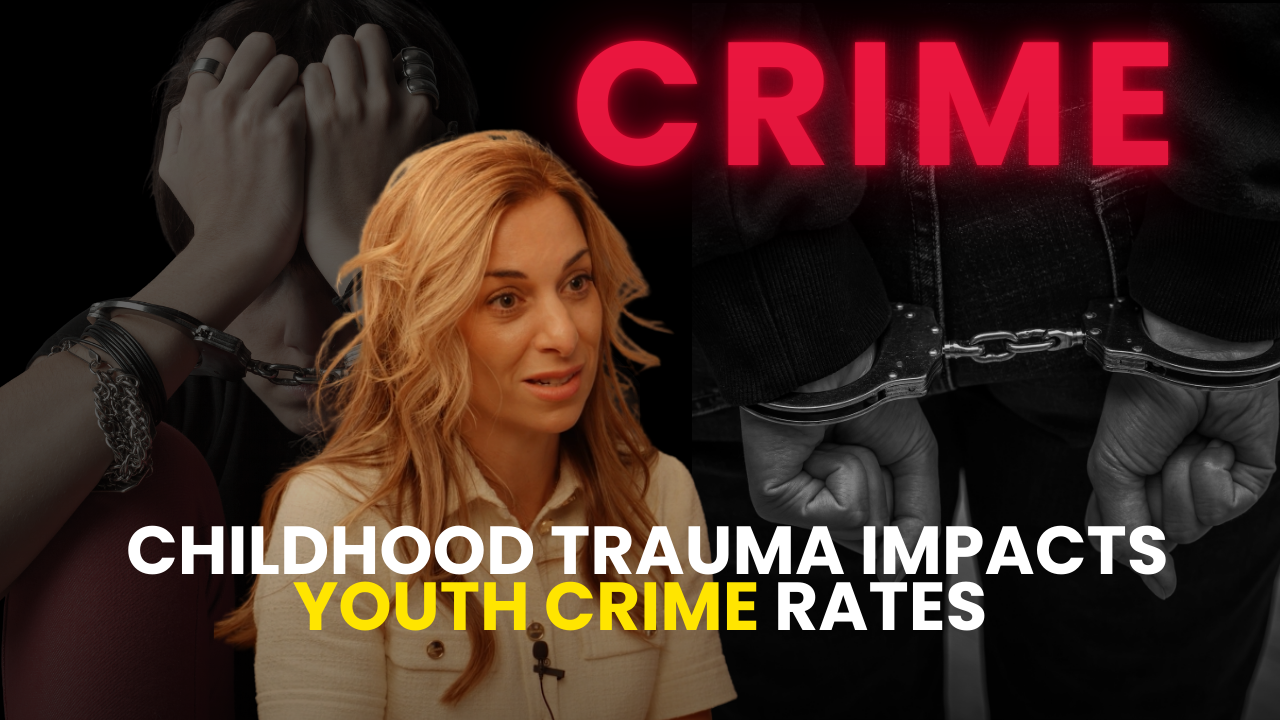
The Developing Brain: Why Children Are Different
One of the most important factors often overlooked in public debate is the science of child development. Young people aged 12 to 16 are still undergoing critical stages of brain development.
The regions of the brain responsible for impulse control, emotional regulation, and long-term decision-making are still forming during adolescence. This means that young offenders often act impulsively, struggle to fully understand consequences, and are heavily influenced by their environment.
Psychologists widely agree that children should not be treated as miniature adults within the justice system. Their behaviour must be understood in the context of development, trauma, and social influences.
Punitive responses designed for adult criminals may not only fail to address these factors they may actually make things worse.
The Risk of “Adult Crime, Adult Time”
The concept of “adult crime, adult time” proposes that children who commit serious crimes should serve sentences equivalent to those given to adults.
While the intention may be to deter crime, critics argue that this approach risks hardening young people rather than rehabilitating them.
When children are placed in highly punitive environments without appropriate psychological support, several harmful outcomes can occur:
- Increased exposure to hardened offenders
- Reduced opportunities for rehabilitation
- Long-term damage to mental health
- Higher likelihood of reoffending later in life
In other words, policies designed to appear “tough on crime” may actually create more crime in the future.
Watch the complete Podcast on YouTube.
Understanding the Story Behind the Offence
Every young offender has a story.
Some come from homes affected by violence, neglect, poverty, or addiction. Others have experienced trauma, disrupted schooling, or a lack of stable adult guidance.
Ignoring these underlying factors does not solve the problem it simply postpones it.
Effective youth justice systems recognise that intervention, education, counselling, and mental health support are often far more effective than punishment alone.
By addressing the root causes of behaviour early, society can help young people redirect their lives before patterns become entrenched.
The Power of Neuroplasticity
One of the most encouraging discoveries in modern psychology is neuroplasticity the brain’s remarkable ability to change, adapt, and learn.
This means that behaviour, thinking patterns, and emotional responses can be reshaped over time with the right support.
For young people, this potential is even greater.
Unlike adults who may have decades of entrenched habits, adolescents still have enormous capacity for growth and transformation. With the right interventions mentorship, therapy, education, and positive role models young offenders can rebuild their futures.
Rather than writing children off at 12 or 14 years old, society should ask a more constructive question:
How do we help them become the best versions of themselves?
Compassion and Accountability Can Coexist
Supporting young offenders does not mean ignoring the harm caused by crime. Accountability remains important.
However, true accountability includes helping young people understand the consequences of their actions, repair harm where possible, and develop the tools needed to live responsibly.
Justice systems that balance accountability with rehabilitation ultimately produce safer communities.
The goal should not simply be punishment it should be transformation.
Join Us at Our Upcoming Events
Join Us at the National Child & Family Safety Leadership Summit 2026 will bring together leaders, practitioners, policymakers, researchers and community voices from across the country. This important gathering creates space for meaningful dialogue on the most pressing issues impacting children and families including domestic violence, coercive control, child protection, and community wellbeing.
We look forward to welcoming you to this moving and inspiring celebration of women’s achievements and contributions. Don’t miss this opportunity to hear from one of WA’s most influential scientific leaders, Miquela Riley.