
Breaking the Taboo: Why Honest Conversations About Relationships and Mental Health Matter
In many societies, certain conversations are still considered taboo particularly those related to relationships, intimacy, and emotional wellbeing. While attitudes are gradually shifting, many people still grow up in environments where these topics are rarely discussed openly or constructively.
The result is often a culture of silence, confusion, and shame. Yet open conversations about healthy relationships, consent, and emotional wellbeing are essential for building stronger communities and improving mental health outcomes for everyone.
Understanding where these taboos come from and how we can move beyond them is an important step towards healthier relationships and a more supportive society.
Where Do Social Taboos Begin?
Taboos are rarely created intentionally. More often, they develop through cultural norms, upbringing, religion, and social expectations. Many people grow up learning that certain topics simply should not be discussed in public or even within families.
When issues related to relationships, sexuality, or emotional struggles are treated as off-limits, people may internalise feelings of shame or discomfort when thinking or talking about them.
If conversations about these topics were approached differently during childhood framed with education, understanding, and context society might develop a far more open and informed perspective.
When young people understand what healthy relationships, respectful boundaries, and consent look like, they are far better equipped to navigate complex emotional situations later in life.
The Impact of Shame on Mental Health
Shame plays a significant role in maintaining social taboos. When individuals feel that certain topics are embarrassing or inappropriate to discuss, they often avoid seeking help or sharing their experiences.
This silence can have serious consequences.
Mental health professionals frequently observe that people struggling with relationship challenges, identity questions, or emotional distress may delay reaching out for support because they feel their experiences are something to hide.
By contrast, education and open dialogue can help remove that sense of isolation. When people realise that others share similar struggles, it becomes easier to seek help, talk openly, and build healthier connections.
Why Relationships Matter More Than We Think
When discussions about relationships arise, many people immediately think of romantic partnerships. While these relationships are certainly important, the concept of relationships extends far beyond that.
Relationships include:
- Friendships
- Family connections
- Workplace relationships
- Community ties
- Support networks
These relationships shape our sense of belonging, identity, and purpose.
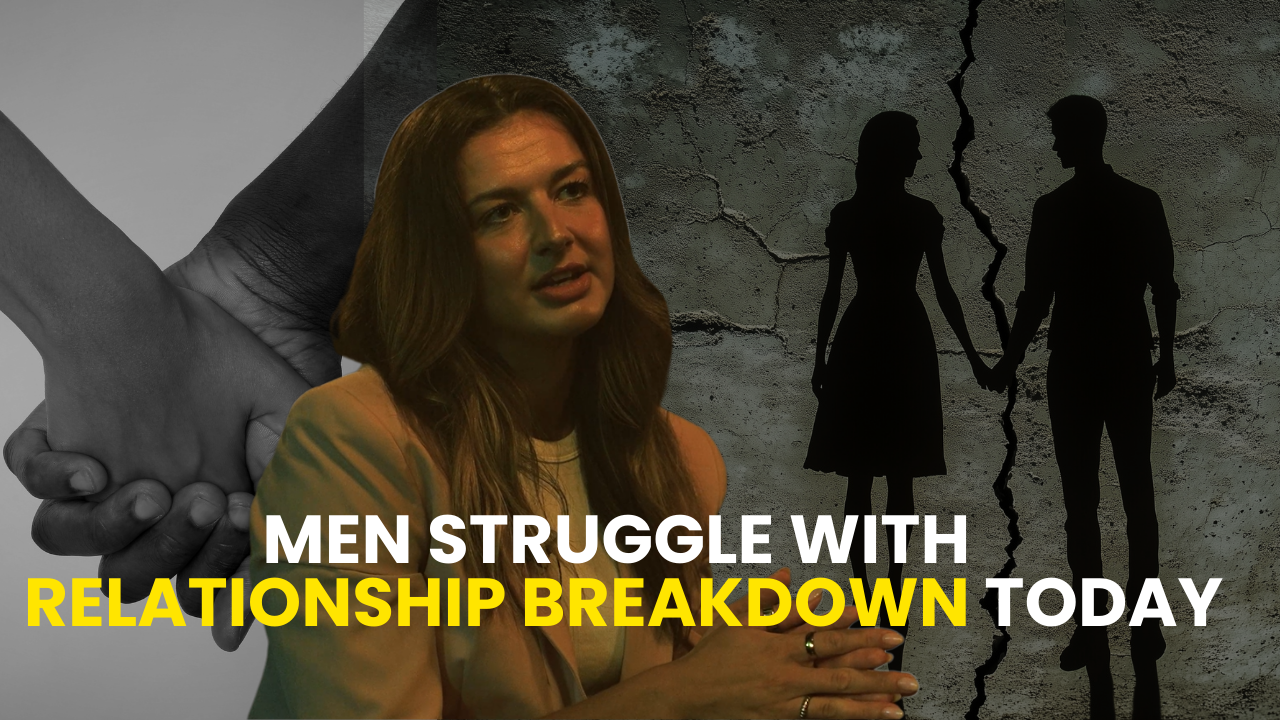
For many people particularly men relationship breakdown can have profound mental health consequences. Studies consistently show that relationship separation and loss of community support are significant contributors to mental distress and suicide risk among men.
This highlights the importance of not only maintaining relationships but also creating environments where people feel comfortable talking openly about relationship challenges.
Watch the complete Podcast on YouTube.
The Silent Struggles Men Often Face
In many cultures, including Australia, traditional expectations around masculinity still influence how men communicate about emotions.
There is often a casual, surface-level check-in between friends or colleagues “How’s the wife?”, “How are the kids?”, or “Fancy grabbing a beer?” but rarely deeper conversations about emotional wellbeing.
Men may feel pressure to remain stoic, self-reliant, or focused primarily on providing for their families. When relationships break down, this can leave some men feeling isolated, without the emotional support networks they need.
At the same time, society is undergoing rapid change. Women today are more educated, economically independent, and professionally active than ever before. These positive shifts are reshaping traditional family dynamics, but they also raise questions about identity, purpose, and expectations for many men.
Navigating these changes requires open discussion, empathy, and mutual understanding.
The Illusion of Perfect Relationships
Another factor complicating modern relationships is the illusion of perfection created by social media.
Online platforms often present highly curated images of relationships, families, and lifestyles. These portrayals can create unrealistic expectations about what relationships should look like.
In reality, relationships are rarely perfect. They involve compromise, growth, conflict, and learning.
Normalising the messiness and imperfection of relationships is essential. When people understand that struggles are part of the human experience, they are less likely to feel alone when challenges arise.
Encouraging honest conversations about relationship difficulties can help reduce stigma and create stronger emotional support systems.
Education and Support Are Key
Breaking down taboos requires a collective effort from families, educators, communities, and leaders.
Providing clear education about:
- Healthy relationships
- Respectful communication
- Emotional wellbeing
- Consent and personal boundaries
can empower individuals with the knowledge they need to build positive connections.
Equally important is fostering environments where people feel safe discussing their experiences without fear of judgement.
When open conversations become normalised, society becomes more compassionate, informed, and resilient.
Join Us at Our Upcoming Events
Join Us at the National Child & Family Safety Leadership Summit 2026 will bring together leaders, practitioners, policymakers, researchers and community voices from across the country. This important gathering creates space for meaningful dialogue on the most pressing issues impacting children and families including domestic violence, coercive control, child protection, and community wellbeing.
We look forward to welcoming you to this moving and inspiring celebration of women’s achievements and contributions. Don’t miss this opportunity to hear from one of WA’s most influential scientific leaders, Miquela Riley.