
When Rights Become Privileges: Why Words in Law and Policy Matter
In many public conversations today, the language of “safety” is frequently used to justify new policies, laws, or restrictions. Safety is, of course, a deeply important value in any society. Communities expect governments to protect them from harm and ensure public wellbeing. Yet, sometimes beneath the language of safety lies a subtle shift that deserves careful attention: the shift from rights to privileges.
At first glance, the difference between a right and a privilege might seem small—almost semantic. But in practice, it can profoundly influence how laws are interpreted, how citizens interact with the state, and how freedoms are exercised in daily life.
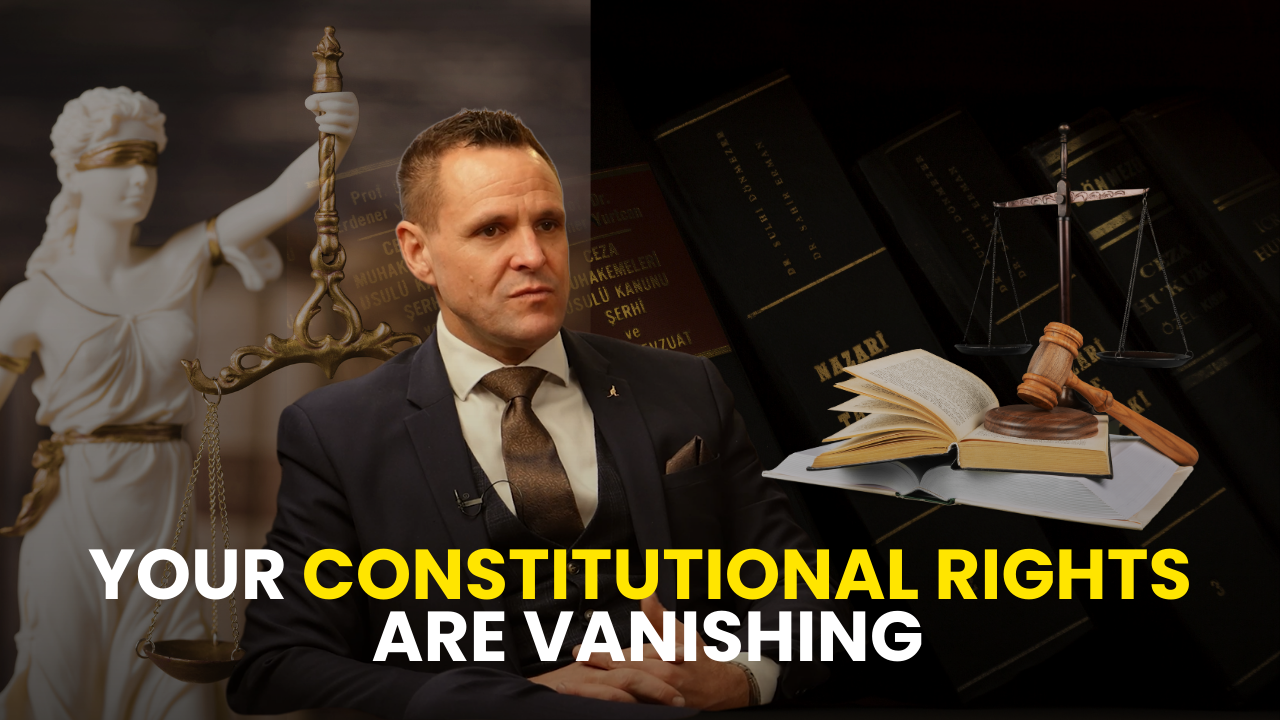
Understanding the Difference Between Rights and Privileges
A right is generally understood as something fundamental and inherent. Rights are typically protected by law and recognised as belonging to individuals simply because they are members of a society. Examples often include freedom of speech, freedom of association, or the right to own property.
A privilege, on the other hand, is something granted by an authority. It can be given, regulated, restricted, or withdrawn. When something is framed as a privilege rather than a right, it signals that access to that activity or benefit depends on permission.
The distinction may seem subtle in wording, but its impact can be significant. When a right becomes a privilege, the relationship between the citizen and the state changes. Instead of something individuals inherently possess, it becomes something they are allowed to do—subject to conditions.
The Role of Language in Legislation
Legislation often contains sections that describe the “objects” or purposes of a law. These sections explain what the legislation is intended to achieve and provide guidance for how it should be interpreted.
In some modern legislation, these objects explicitly frame certain activities as privileges rather than rights. For example, in firearm regulation, the ownership of firearms is sometimes described in legislation as a privilege granted under strict regulation rather than a right. The justification frequently emphasises public safety as the overriding priority.
From a policy perspective, the reasoning is straightforward: when an activity has potential risks, governments may prefer to regulate it tightly and frame it as conditional. However, critics of this approach argue that such framing can gradually reshape how society thinks about broader freedoms.
The Power of the “Safety” Narrative
One of the most powerful tools in public policy is the language of safety. When a proposal is presented as necessary for safety, many people instinctively support it or feel hesitant to question it.
Safety messaging often encourages compliance because it appeals to our natural desire to protect ourselves, our families, and our communities. However, some observers suggest that this narrative can sometimes discourage deeper discussion about long-term implications.
For citizens, the key challenge is finding the balance between reasonable safety measures and maintaining open democratic debate. A healthy society allows people to discuss, question, and evaluate policies without fear or hesitation.
Watch the complete Podcast on YouTube.
Why Citizens Should Pay Attention
Democratic societies rely not only on laws but also on active and informed citizens. Understanding how language is used in legislation is an important part of civic engagement.
When the wording of laws shifts—even slightly—it can influence how future policies are developed and implemented. That is why discussions around rights, privileges, and public safety are not merely legal debates; they are conversations about the nature of democracy itself.
Rather than accepting or rejecting policies outright, citizens benefit from asking thoughtful questions:
- What problem is the law trying to solve?
- Is the language being used proportionate to the issue?
- How might this wording shape future interpretation of the law?
- Are there ways to protect safety while preserving fundamental freedoms?
These questions encourage constructive dialogue rather than division.
Encouraging Open and Respectful Conversation
Ultimately, societies thrive when people feel comfortable participating in public conversation. Whether discussing legislation, social policy, or community values, open dialogue strengthens democratic institutions.
Listening to different perspectives, questioning respectfully, and engaging with ideas thoughtfully are essential practices in any healthy democracy.
Public conversations whether through community forums, podcasts, events, or policy discussions—create opportunities for people to reflect on the values that shape their society.
Join Us at Our Upcoming Events
Join Us at the National Child & Family Safety Leadership Summit 2026 will bring together leaders, practitioners, policymakers, researchers and community voices from across the country. This important gathering creates space for meaningful dialogue on the most pressing issues impacting children and families including domestic violence, coercive control, child protection, and community wellbeing.
We look forward to welcoming you to this moving and inspiring celebration of women’s achievements and contributions. Don’t miss this opportunity to hear from one of WA’s most influential scientific leaders, Miquela Riley.