
Strong Leadership, Women’s Legacy, and the Values That Shape Our Future
Leadership is often spoken about in terms of power, influence, and public recognition. Yet the most enduring leadership frequently emerges from courage, conviction, and a willingness to stand firm during adversity. Throughout history, individuals who have demonstrated these qualities have shaped nations, guided communities, and influenced the values we continue to uphold today.
In reflecting on political leadership, many people admire figures who remained steadfast in their beliefs while working to serve the public good. True leadership is not merely about holding office; it is about recognising the responsibility that accompanies it and being prepared to fight for the people one represents.
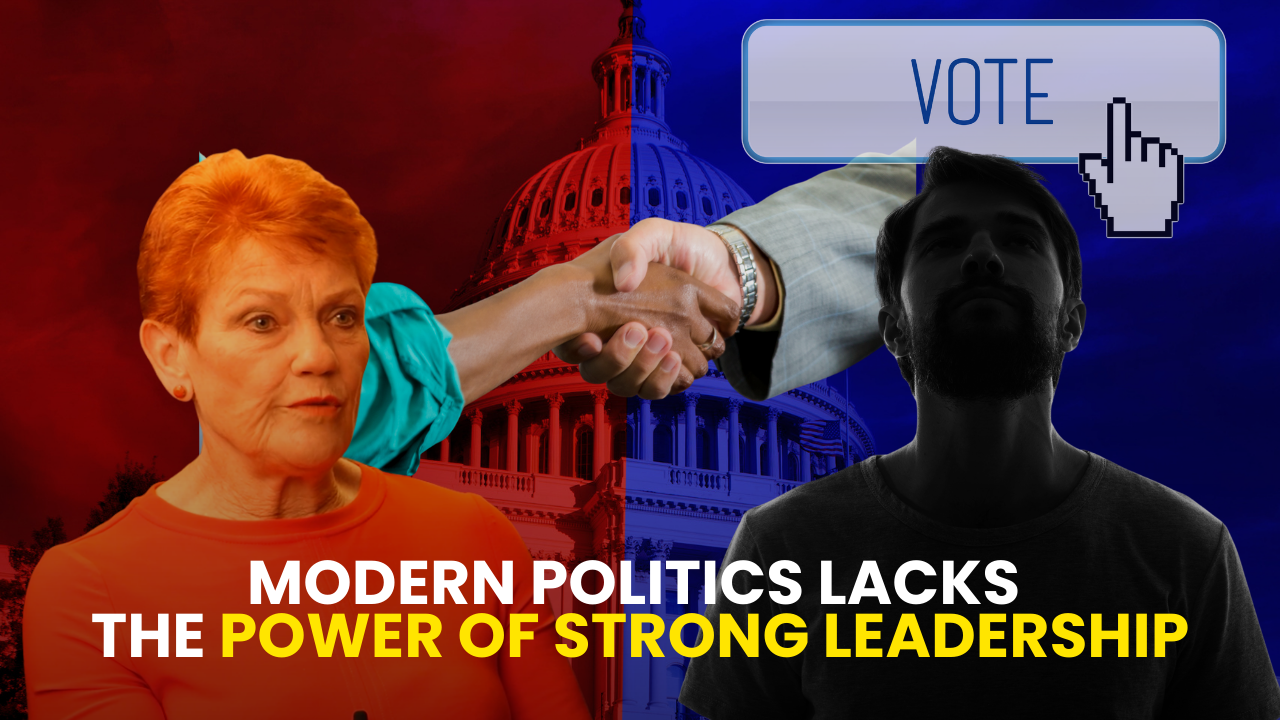
The Qualities of Strong Leadership
When considering political role models, several qualities consistently stand out: resilience, integrity, and the ability to make difficult decisions in challenging circumstances. Leaders who possess these qualities often face intense opposition, yet they continue to pursue what they believe to be right.
Strong leadership is especially evident in moments of crisis, when uncertainty demands courage and decisive action. History offers many examples of individuals who rose to such moments and left lasting legacies.
Lessons from Historical Leaders
One such leader frequently admired for his determination and moral conviction is Abraham Lincoln. Rising from humble beginnings as the son of farmers, Lincoln led the United States during one of its most turbulent periods — the Civil War. Despite immense pressure and division within the nation, he championed the 13th Amendment, which abolished slavery. His commitment to justice and unity continues to inspire generations.
Similarly, Winston Churchill is often remembered for his steadfast leadership during the Second World War. At a time when many hoped diplomacy might appease the growing threat posed by Adolf Hitler, Churchill recognised the danger and stood firm in defence of freedom. His resolve helped guide Britain through one of its darkest chapters.
Another influential figure is Margaret Thatcher, the United Kingdom’s first female Prime Minister. Leading during the 1980s, she faced considerable scepticism and criticism, particularly in a political landscape still dominated by men. Yet Thatcher demonstrated unwavering determination in shaping economic policy, education reforms, and labour relations. Regardless of differing views on her policies, her resilience and conviction remain notable.
Watch the complete Podcast on YouTube.
Perspectives on Leadership in Australia
When examining leadership closer to home, many Australians seek leaders who display the same courage and conviction seen in historical figures. Political leadership, however, can sometimes appear influenced by opinion polls or short-term electoral considerations.
Among those often recognised for their strength and determination is Bronwyn Bishop, who served Australia in various parliamentary roles and was known for her directness and commitment to her political beliefs.
Former Prime Minister John Howard is also frequently described as a leader of conviction who made decisive policy choices during his time in office. While opinions about particular policies differ, his leadership style was characterised by confidence and a willingness to act on his principles.
These reflections remind us that leadership is complex. Admiration for leaders often arises not from perfection, but from the courage to stand firm, make difficult decisions, and remain accountable to the people they serve.
Recognising Leadership Beyond Politics
While political leaders are often the most visible examples of influence, leadership extends far beyond parliamentary chambers. Across communities, countless individuals demonstrate extraordinary leadership every day often without recognition.
Women, in particular, have played pivotal roles in shaping societies through advocacy, community organisation, education, caregiving, and family leadership. Their contributions have historically been overlooked or undervalued, yet they form the backbone of social progress and community resilience.
Mothers, carers, educators, volunteers, and community leaders quietly nurture change, guiding future generations and strengthening the social fabric that holds communities together.
Join Us at Our Upcoming Events
Join Us at the National Child & Family Safety Leadership Summit 2026 will bring together leaders, practitioners, policymakers, researchers and community voices from across the country. This important gathering creates space for meaningful dialogue on the most pressing issues impacting children and families including domestic violence, coercive control, child protection, and community wellbeing.
We look forward to welcoming you to this moving and inspiring celebration of women’s achievements and contributions. Don’t miss this opportunity to hear from one of WA’s most influential scientific leaders, Miquela Riley.