Compassion, Community and Care: Rethinking How We Support People at the End of Life
In modern society, many people pride themselves on independence. We often hear phrases such as “I can look after myself” or “I don’t need anyone’s help.” While resilience and self-reliance can be admirable qualities, the reality of ageing, illness, and end-of-life care reminds us of something deeply human: none of us truly lives alone.
Across Australia and around the world, conversations about palliative care, compassionate communities, and ageing with dignity are becoming increasingly important. As populations grow older, the way we support people through death, dying, grief and loss needs to evolve.
At the heart of this shift lies a simple yet powerful idea community matters.
The Role of Faith and Spirituality in Later Life
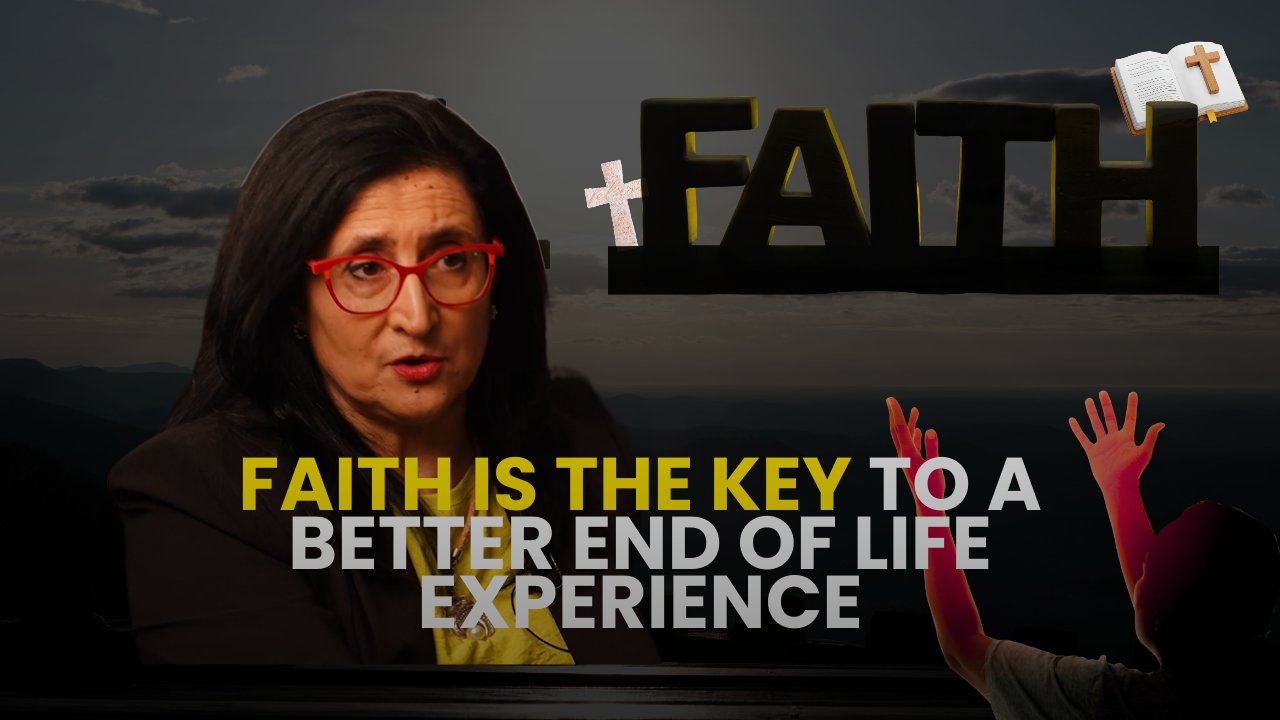
For many people, spirituality and faith play a meaningful role as they grow older. Communities connected through churches, temples, mosques, and other places of worship often provide a natural support network during life’s most challenging moments.
Historically, much of the concept of compassionate care emerged through faith-based organisations. Religious communities have long practised the values of compassion, service, and care for the vulnerable.
People who remain connected to these communities throughout their lives often find themselves surrounded by support during times of illness or at the end of life. Friends, fellow worshippers, and spiritual leaders naturally become part of a compassionate circle of care.
These networks demonstrate something important: care is rarely delivered by institutions alone — it grows within relationships.
The Myth of the Self-Sufficient Individual
Despite this, many people continue to live as if they are completely independent.
Some take pride in facing life alone, refusing help from others. While this may work for a time, ageing and illness inevitably remind us that support from others is essential.
When people isolate themselves socially, they unknowingly weaken the very networks that might one day support them. By refusing help throughout life, they also prevent their communities from developing the confidence and experience needed to care for others.
In reality, care must be a two-way process.
Sometimes we offer help.
Sometimes we need to receive it.
Both are equally important.
Why Asking for Help Matters
Learning to ask for help is not a weakness it is a skill that strengthens communities.
When people accept help from friends, neighbours, or community members, they allow others to practise compassion. These small acts of support help communities grow stronger, more confident, and more capable of caring for one another.
Yet many people hesitate to step forward.
Modern society often creates fear around helping others. Concerns about risk, legal liability, insurance, or making mistakes can discourage people from offering assistance. In previous generations, neighbours often supported one another naturally. Today, those simple acts of care sometimes feel more complicated.
As a result, communities can become less connected and people more isolated.
Watch the complete Podcast on YouTube.
The Growing Epidemic of Loneliness
One of the most significant social challenges today is loneliness, particularly among older people.
As families become more dispersed and communities less interconnected, many elderly individuals find themselves ageing without strong social networks around them. Without community support, even basic emotional or practical care becomes harder to access.
This issue is not only a personal challenge it is a societal one. Eventually, every generation faces ageing, illness, and loss.
Our communities must be ready.
Building Compassionate Communities
To address these challenges, many organisations are working to create what are known as compassionate communities.
A compassionate community recognises that care is not the responsibility of health systems alone. Instead, it involves neighbours, families, friends, workplaces, schools, and local organisations working together to support people through life’s most difficult transitions.
Across Australia, training programmes and community initiatives are emerging to help people better understand how to support others experiencing illness, grief, or end-of-life challenges.
These programmes encourage people to:
- Build supportive relationships
- Feel confident offering help
- Understand the realities of ageing and dying
- Reduce fear around discussing death and loss
By strengthening these skills within communities, we create environments where no one has to face the end of life alone.
A Cultural Shift in How We View Care
Ultimately, this conversation is about changing how society thinks about care.
Rather than seeing death and dying solely as medical events, compassionate communities recognise them as human experiences shared by families, friends, and society as a whole.
When communities openly discuss grief, loss, and ageing, they create space for empathy and understanding. This cultural shift helps people feel less isolated and more supported during difficult times.
It also reminds us of something deeply meaningful: compassion is not limited to professionals it belongs to everyone.
Celebrating Women Who Nurture Compassionate Communities
Many of the values that sustain compassionate communities caregiving, nurturing, advocacy, and social connection have long been championed by women.
Throughout Queensland’s history, women have played a vital role in shaping stronger communities. Often their contributions have extended far beyond formal leadership roles, influencing families, neighbourhoods, and social movements through acts of care, resilience, and service.
Their stories remind us that meaningful change frequently begins with compassion.
Join Us at Our Upcoming Events
Join Us at the National Child & Family Safety Leadership Summit 2026 will bring together leaders, practitioners, policymakers, researchers and community voices from across the country. This important gathering creates space for meaningful dialogue on the most pressing issues impacting children and families including domestic violence, coercive control, child protection, and community wellbeing.
We look forward to welcoming you to this moving and inspiring celebration of women’s achievements and contributions. Don’t miss this opportunity to hear from one of WA’s most influential scientific leaders, Miquela Riley.