
Sports and Mental Health: Why Community on the Field Matters More Than Ever
In recent years, conversations around sports and mental health have moved from the sidelines to centre stage. As social isolation rises and many people report feeling more connected online yet lonelier in real life, sport offers something powerful and refreshingly human: belonging.
Whether you’re stepping onto a local court in Brisbane, joining a community football team, or simply cheering from the stands, sport does more than strengthen the body. It builds resilience, confidence and genuine connection. At a time when mental wellbeing is under pressure across all age groups, understanding how physical activity and mental health intersect has never been more important.
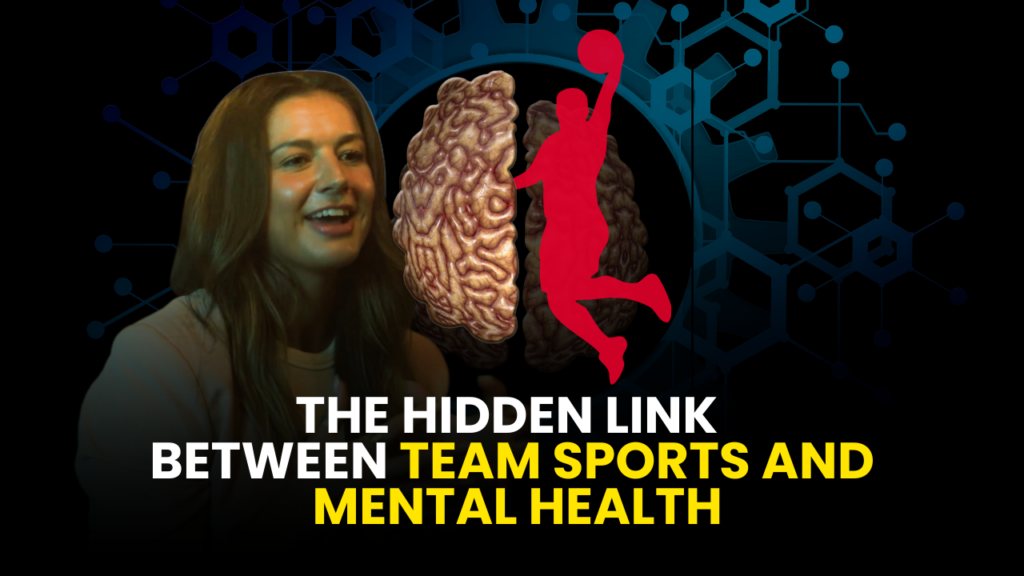
Watch the complete Podcast on YouTube.
The Mental Strength Behind Physical Performance
When we talk about sport, we often focus on fitness, stamina and skill. But behind every sprint, serve or tackle is mental grit.
Pushing through a tough training session or finishing a challenging match builds psychological resilience. It’s similar to the idea of starting your day with a cold plunge you prove to yourself that you can do something hard. That small victory carries into other areas of life.
Sport teaches us:
- How to manage pressure
- How to cope with setbacks
- How to regulate emotions under stress
- How to persist when things feel uncomfortable
These skills are not confined to the field. They carry into workplaces, families and leadership roles.
Sport as a Cure for Modern Loneliness
We live in a paradoxical age more digitally connected than ever, yet increasingly isolated. Social media offers constant interaction, but not always meaningful connection.
Community sport directly addresses this.
When you move to a new city say, Brisbane or even a new country, joining a sports club can be the fastest way to find your footing. Language barriers matter less. Cultural differences soften. The shared rules of the game become a universal language.
You might not speak the same words, but you understand the same gestures, plays and rhythms. That shared understanding creates instant belonging.
This is one of the strongest links between community sport and mental wellbeing:
Watch the complete Podcast on YouTube.
The Equaliser Effect: Sport as a Common Denominator
On the field, there is a striking simplicity.
The currency is not your background, accent, profession or social status. The question becomes straightforward: Can you contribute? Are you willing to show up?
Skill matters, yes but so does effort, teamwork and commitment.
Sport often becomes one of the few spaces where hierarchy falls away. If you play well, your team values you. If you improve, they encourage you. If you struggle, they support you.
This merit-based environment can be incredibly empowering, especially for young people and women who may feel underestimated in other spaces.
Breaking Points: When Pressure and Mental Health Collide
However, the relationship between sport and mental health is not always simple.
Athletes professional and amateur alike can experience burnout, performance anxiety and emotional strain. Pushing the body too hard without supporting the mind can lead to breaking points.
The solution is not less sport. It is healthier sport.
That includes:
- Coaches trained in mental health awareness
- Open conversations about pressure and vulnerability
- Support networks beyond performance outcomes
- A culture that values wellbeing as much as winning
When sport integrates psychological support alongside physical training, it becomes one of the most powerful mental health tools available.
Why This Matters for Women and Girls
For women in particular, sport can be transformative.
It builds:
- Confidence in physical capability
- A sense of agency
- Leadership skills
- Community networks beyond family and work
Many women struggle with self-doubt and second-guessing themselves. Sport interrupts that narrative. It provides tangible proof of strength and progress.
And beyond competition, women’s sporting communities often become deep emotional support systems places where friendships form, mentorship grows and resilience is nurtured.
From the Field to the Wider Community
The same principles that make sport powerful connection, shared purpose, collective effort are the foundations of strong communities.
When people gather at stadiums for grand finals or local competitions, something remarkable happens. Strangers celebrate together. Differences dissolve. Energy becomes collective.
Sport reminds us that we are not meant to do life alone.
In an era marked by mental health challenges, rising stress levels and social fragmentation, we cannot afford to underestimate the value of shared experiences.
Moving Forward: Building Community Beyond the Game
The lessons from sport extend far beyond the pitch:
- Resilience shapes leadership.
- Belonging strengthens mental health.
- Community builds lasting change.
These are not just sporting principles they are civic ones.
As we reflect on the intersection of sport, mental wellbeing and community, it is also an opportunity to celebrate the women who have quietly built those communities through caregiving, leadership, advocacy and social change.
Join Us at Our Upcoming Events
Join us at the WA International Women’s Day 2026 – Leaders Breakfast Event. We honour remarkable women. They shaped Western Australia’s history. For instance, they led through activism and caregiving. Moreover, they built communities.
Join Us at the National Child & Family Safety Leadership Summit 2026 will bring together leaders, practitioners, policymakers, researchers and community voices from across the country. This important gathering creates space for meaningful dialogue on the most pressing issues impacting children and families including domestic violence, coercive control, child protection, and community wellbeing.
We look forward to welcoming you to this moving and inspiring celebration of women’s achievements and contributions. Don’t miss this opportunity to hear from one of WA’s most influential scientific leaders, Miquela Riley.