Motherhood, Science and Net Zero: Why Real Conversations About Energy Matter
The conversation around energy, climate and net zero often feels technical and distant. Yet behind the policy debates are real people balancing careers, families and the future of the planet. For many women working in science, engineering and the military, the journey of motherhood brings a unique perspective to these global challenges.
Motherhood and science: a natural partnership
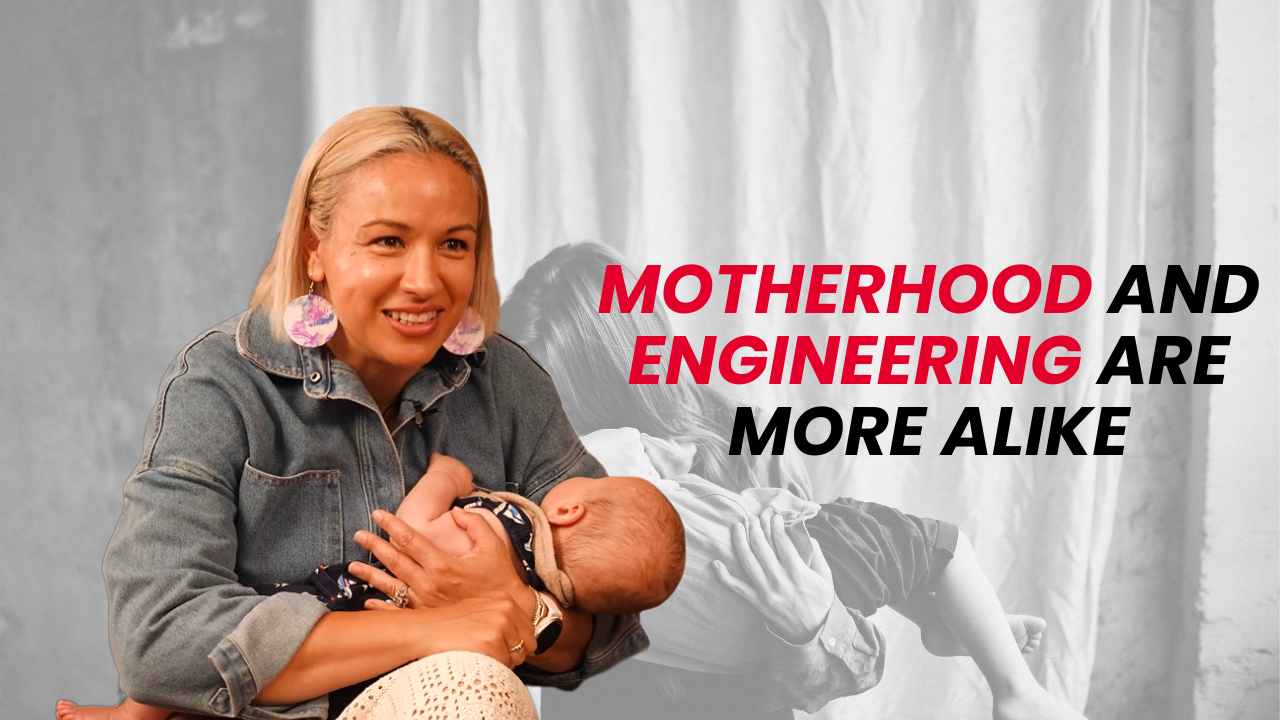
Parenting and science may seem worlds apart, but in reality they share the same foundation: curiosity, experimentation and learning through trial and error.
Children are natural scientists. They explore, test boundaries, ask endless questions and learn by doing. Watching a child discover how their hands work, how emotions feel, or how the world responds to their actions is a reminder of how science truly begins with curiosity.
For professionals in structured, high-pressure careers, such as the military or engineering, parenting can be a humbling shift. The discipline and order that define professional life rarely apply at home. A child will not follow a strict timetable or respond to commands, and that challenge teaches patience, adaptability and perspective.
Motherhood quickly clarifies priorities. Sometimes being late no longer matters if a child needs reassurance, comfort or time to process emotions. That shift in perspective is powerful, and it shapes how many women approach leadership, innovation and problem-solving.
Learning through experimentation
In science and engineering, experimentation is essential. The same applies to parenting. Trying, failing, learning and trying again is how progress happens both in laboratories and in living rooms.
Failing early and safely creates the opportunity to learn before the stakes become higher. This mindset is vital when tackling complex global challenges such as climate change and energy transition.
Watch the complete Podcast on YouTube
The maths behind net zero
“Net zero” has become one of the most widely used phrases in climate discussions. Yet the concept is often simplified in public debate.
Mathematically, achieving true zero emissions requires a full systems approach. It means examining the entire supply chain behind the technologies we use from renewable energy infrastructure to transportation and manufacturing.
Solar panels, wind turbines and electric vehicles rely on rare earth minerals and global supply chains. Land use, transport logistics, manufacturing emissions and end-of-life disposal all contribute to the total carbon footprint. Without considering the full lifecycle, discussions about net zero risk becoming superficial.
A genuine pathway to lower emissions must include:
- Supply chains and material sourcing
- Manufacturing and transportation emissions
- Land use and environmental impact
- Infrastructure lifespan and recycling
- Balanced energy systems and reliability
Only by looking at the entire system can countries move closer to genuine emissions reduction rather than symbolic targets.
When politics meets science
Energy policy sits at the intersection of science, economics and politics. While science provides data and modelling, political decisions often shape how that information is communicated and implemented.
This tension highlights the importance of open, honest and evidence-based conversations about energy, innovation and the future.
Women shaping the future of science and society
Women balancing careers, research, military service and motherhood are playing an increasingly vital role in shaping these conversations. Their lived experience brings empathy, practicality and long-term thinking to complex global issues.
The future of energy, innovation and community leadership depends on diverse voices and real experiences.
Join Us: WA International Women’s Day 2026 – Leaders Breakfast Event
Join us at the WA International Women’s Day 2026 – Leaders Breakfast Event. This special breakfast honours remarkable women who shaped Western Australia’s history through leadership, activism, motherhood, caregiving, and community building.
Event Details:
Date: Friday, 6 March 2026
Time: 6:30am to 10:00am AWST
Venue: State Reception Centre, Fraser’s Kings Park
We look forward to welcoming you to this moving and inspiring celebration of women’s achievements and contributions.