How Social Media and Modern Parenting Are Shaping the Next Generation
Over the past 10–20 years, the way we raise children has changed dramatically. Parenting has always been challenging, but today’s families are navigating a world filled with constant digital noise, social comparison and pressure to perform. From iPads to social media feeds, children are growing up in an environment where outside opinions often feel louder than their own inner voice.
The Rise of the “High Achiever” Culture
Modern society celebrates productivity and achievement more than ever. Children are often encouraged to succeed early, perform consistently and stand out academically or socially. While ambition can be positive, an intense focus on achievement can sometimes lead to anxiety, perfectionism and burnout.
When young people feel valued mainly for performance rather than who they are, they may begin to live through other people’s expectations. Over time, this can create adults who struggle with identity, confidence and mental wellbeing.
Parenting in the Age of Social Media
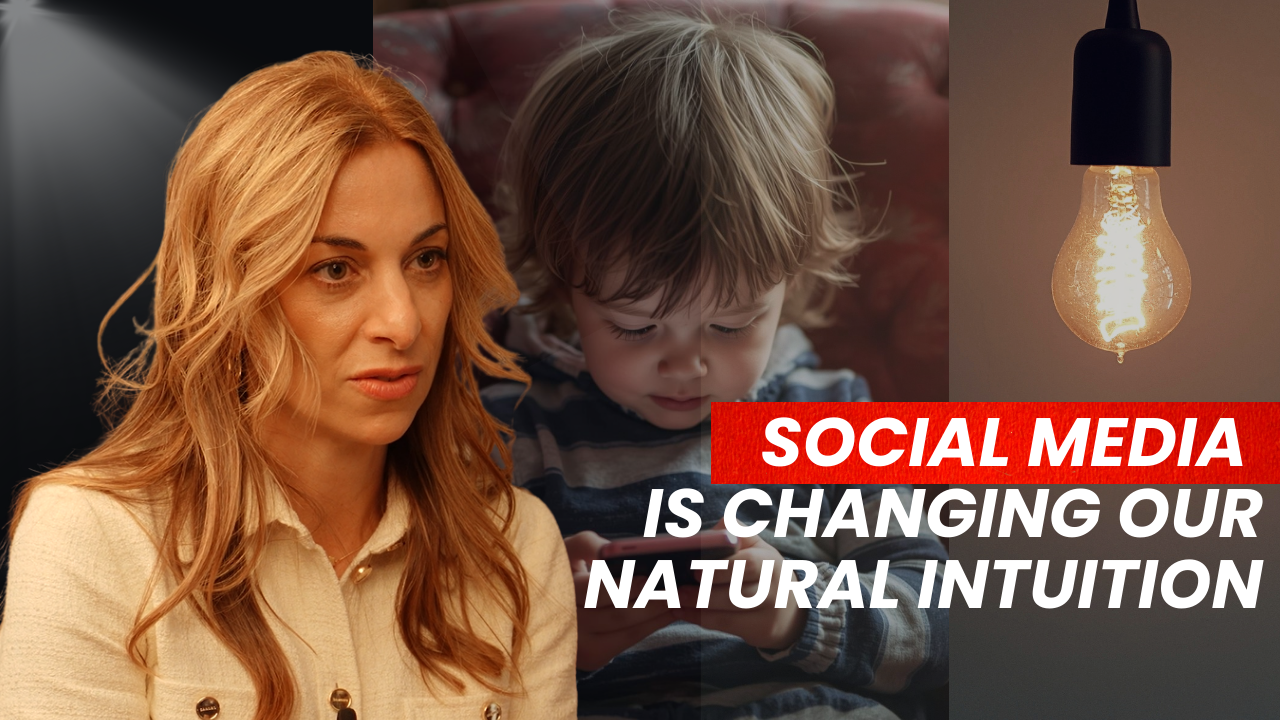
Unlike previous generations, today’s children are exposed to thousands of opinions every day. Social media tells them how they should look, think, behave and succeed. This constant comparison can shape neural pathways during critical developmental years, influencing how children see themselves and the world around them.
Many parents are now asking an important question: how do we teach children to trust their instincts when they are surrounded by endless digital influence?
👉Watch the Complete Podcast on YouTube.
Why Emotional Safety Matters More Than Ever
One of the most powerful protective factors for children is emotional safety. When children feel secure, heard and supported at home, they are less likely to seek validation elsewhere. Emotional safety builds resilience, confidence and healthy decision-making.
Teaching children to recognise their feelings, listen to their intuition and understand consequences helps them grow into thoughtful and compassionate adults. Every decision a child makes creates a ripple effect — impacting not only themselves but their community and the wider world.
Raising Good Humans in a Complex World
Modern parenting is not about perfection. It is about helping children become kind, self-aware and resilient people. This includes:
- Encouraging critical thinking rather than blind comparison
- Creating space for real conversations about feelings and choices
- Teaching responsibility and empathy
- Helping children understand the impact of their actions
When we shift the focus from achievement to humanity, we begin raising not just successful individuals, but good humans.
Join Us: WA International Women’s Day 2026 – Leaders Breakfast Event
Join us at the WA International Women’s Day 2026 – Leaders Breakfast Event. This special breakfast honours remarkable women who shaped Western Australia’s history through leadership, activism, motherhood, caregiving, and community building.
Event Details:
Date: Friday, 6 March 2026
Time: 6:30am to 10:00am AWST
Venue: State Reception Centre, Fraser’s Kings Park
We look forward to welcoming you to this moving and inspiring celebration of women’s achievements and contributions.