
The Burden of Citizenship: Freedom, Responsibility and Vigilance in a Civil Democracy
In every functioning democracy, citizens enjoy freedoms that many around the world still fight to obtain. Freedom of movement. Freedom of speech. Freedom to make decisions about one’s own body. Freedom to own property. Freedom to participate in public debate.
But freedom is never free.
There is an old saying often attributed to political thinkers and statesmen: the price of liberty is eternal vigilance. In a healthy civil democracy, that vigilance is not optional it is the burden of citizenship.
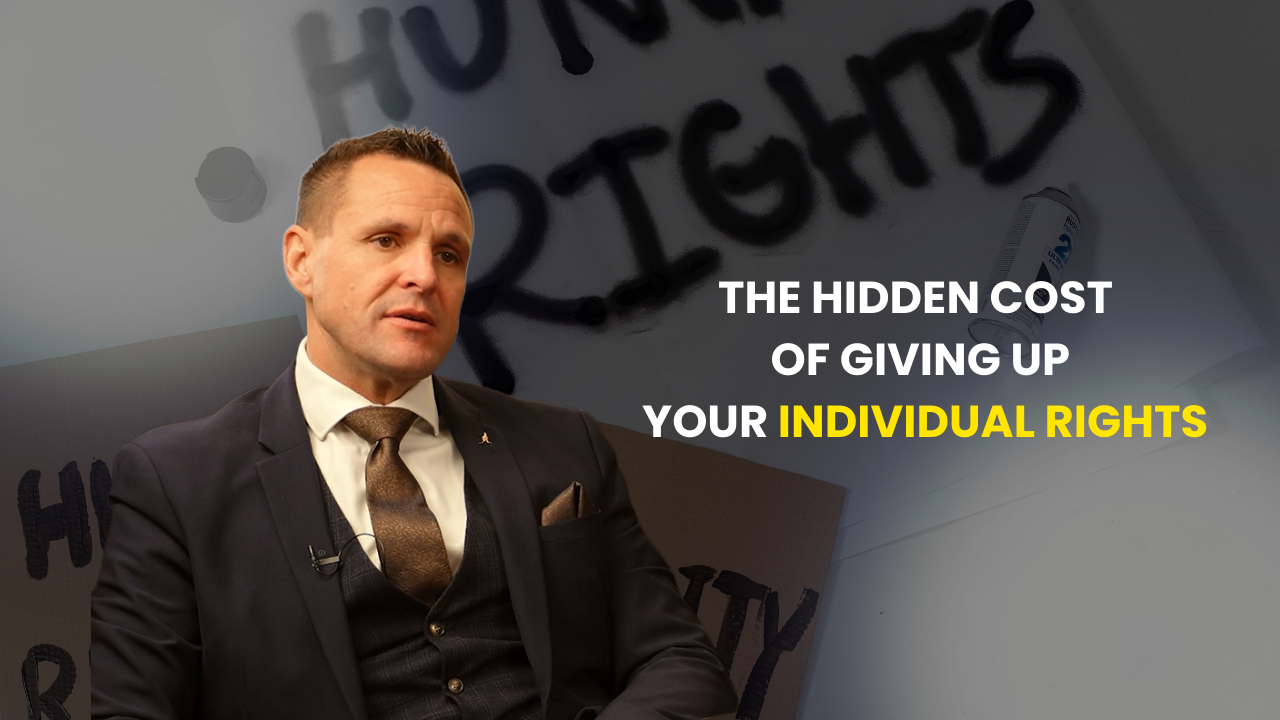
What Are the Key Responsibilities of a Citizen?
In an engaged democracy, citizenship is more than voting every few years. It involves:
- Staying informed about laws and public policy
- Questioning government decisions respectfully and rationally
- Participating in civic life
- Holding leaders accountable
- Defending fundamental freedoms
Vigilance does not simply mean watching events unfold. It means being ready to act when necessary to speak, to challenge, to debate, and to contribute.
Democracy depends not just on institutions, but on engaged citizens.
Freedom and the Power to Curtail It
Every right or freedom in a democratic system can be limited. Parliaments create laws. Those laws can restrict behaviour, property rights, movement and personal choice.
Some restrictions are widely accepted. Speed limits, for example, are designed to reduce road trauma. Few would argue for unlimited driving speeds on public roads.
However, democratic societies must constantly examine whether new restrictions are proportionate, evidence based and necessary.
The central question is always this:
Is the curtailment reasonable and justified?
If freedoms were unlimited, society would descend into chaos. Structure and order are essential. Yet if restrictions expand without scrutiny, liberty gradually erodes.
The balance between liberty and safety is one of the most important debates in modern democratic life.
Watch the complete Podcast on YouTube.
Safety Versus Freedom: Finding the Middle Ground
Public safety is often cited as the justification for restricting freedoms. In many cases, this is appropriate. Governments have a duty to protect citizens.
But safety must not become a blanket argument that overrides thoughtful debate.
Citizens must ask:
- Is the restriction supported by strong evidence?
- Is it proportionate to the risk?
- Are there alternative solutions?
- Does it unfairly impact law-abiding individuals?
Whether discussing road rules, property ownership, or regulatory frameworks, the principle remains the same: restrictions should be reasonable, targeted and transparent.
A mature democracy welcomes these conversations. It does not silence them.
The Role of Vigilance in Modern Australia
Australia’s democratic structure allows Parliament to pass laws that limit certain rights. That is not inherently wrong it is part of representative government.
However, democracy only works properly when citizens:
- Remain informed
- Remain engaged
- Remain willing to question
Citizenship carries both privilege and responsibility. It demands thoughtfulness rather than apathy. It requires courage rather than silence.
If we want freedom, we must be prepared to defend it calmly, intelligently and respectfully.
Leadership and Civic Responsibility
True leadership is not only exercised in Parliament. It is exercised in communities, families, workplaces and civic forums.
The strength of a democracy depends on people who are willing to contribute not only through policy debates, but through service, care and community-building.
That kind of leadership often goes unrecognised.
Join Us at Our Upcoming Events
Join us at the WA International Women’s Day 2026 – Leaders Breakfast Event. We honour remarkable women. They shaped Western Australia’s history. For instance, they led through activism and caregiving. Moreover, they built communities.
Join Us at the National Child & Family Safety Leadership Summit 2026 will bring together leaders, practitioners, policymakers, researchers and community voices from across the country. This important gathering creates space for meaningful dialogue on the most pressing issues impacting children and families – including domestic violence, coercive control, child protection, and community wellbeing.
We look forward to welcoming you to this moving and inspiring celebration of women’s achievements and contributions. Don’t miss this opportunity to hear from one of WA’s most influential scientific leaders, Miquela Riley.